

Returning to the Body: A Gentle Guide to Physical Wellness
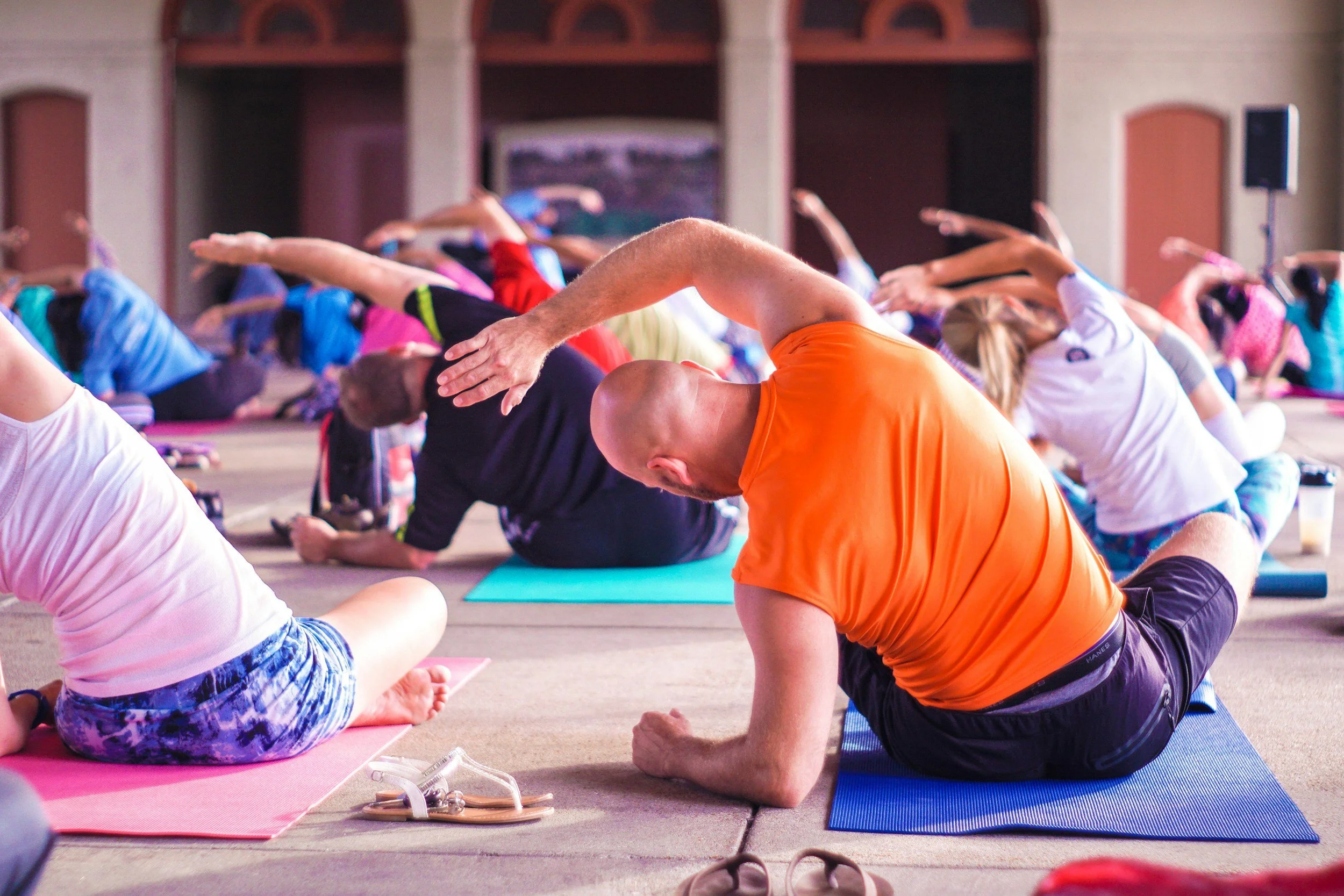
Physical wellness is not something we get right.
It’s something we learn to return to.
Not through pressure,
but through awareness.
Not through perfection,
but through presence.
There are moments in life when we realize we’ve been living from the neck up.
Thinking. Planning. Pushing through.
Meeting expectations. Managing responsibilities.
And somewhere along the way, we lose connection with the body.
Not intentionally,
but gradually.
Until we pause long enough to notice:
I don’t know how I feel in my body right now.
Beginning with Awareness
Before anything changes, there is a moment of noticing.
A breath.
A softening.
A quiet check-in.
What do I feel right now?
Not what should I feel.
Not what do I want to feel.
Just what is here.
Tension.
Fatigue.
Restlessness.
Ease.
Numbness.
Whatever is present becomes the starting point.
Physical wellness does not begin with action.
It begins with awareness.
Even simple awareness of internal sensations can begin to support nervous system regulation and reduce stress over time.
Expanding the Definition
Physical wellness is often reduced to habits:
exercise, nutrition, sleep.
And those things matter.
But physical wellness is also:
Energy
Rest
Body awareness
Nervous system support
Gentle movement
Recovery
Physical wellness is best supported through consistent daily behaviors that help the body function, repair, and sustain energy over time.
It is not just about what you do for your body,
but how you listen to it.
Sometimes the most supportive question is not:
What should I be doing?
But:
What am I not noticing?
The Rhythm of Energy
The body does not operate in constant output.
It moves in rhythms.
Moments of clarity.
Moments of depletion.
Moments of ease.
Moments of effort.
Many of us were taught to override those rhythms.
To push through fatigue.
To rest only when everything is finished.
Physical wellness invites a different approach.
To notice your energy.
To work with it when possible.
To rest before you are fully depleted.
Regular rest and recovery support both physical energy and mental clarity.
Nourishment as Information
The way we nourish ourselves shapes how we feel.
Not just through food,
but through hydration, timing, and attention.
Balanced nourishment supports steady energy, metabolism, and overall health.
Cravings are not problems to fix.
They are signals.
Sometimes of hunger.
Sometimes of fatigue.
Sometimes of stress or depletion.
Sometimes of a need for comfort or pleasure.
When we shift from judgment to curiosity, we create space to understand what the body is asking for.
Listening to the Body
The body communicates constantly.
Through tightness.
Through heaviness.
Through restlessness.
Through ease.
Somatic awareness means noticing these signals without immediately trying to fix them.
The body often signals stress or fatigue before the mind fully recognizes it.
When we notice, we create space.
And in that space, we gain choice.
Instead of reacting automatically, we can pause and ask:
What do I need right now?
Movement, Reimagined
Movement does not have to be intense to be meaningful.
Regular, moderate movement supports mood, sleep, and overall well-being.

It can be small.
Gentle.
Supportive.
A stretch.
A shift in posture.
A walk.
A breath paired with movement.
When we remove performance, movement becomes something we return to, not something we avoid.
A Moment to Pause
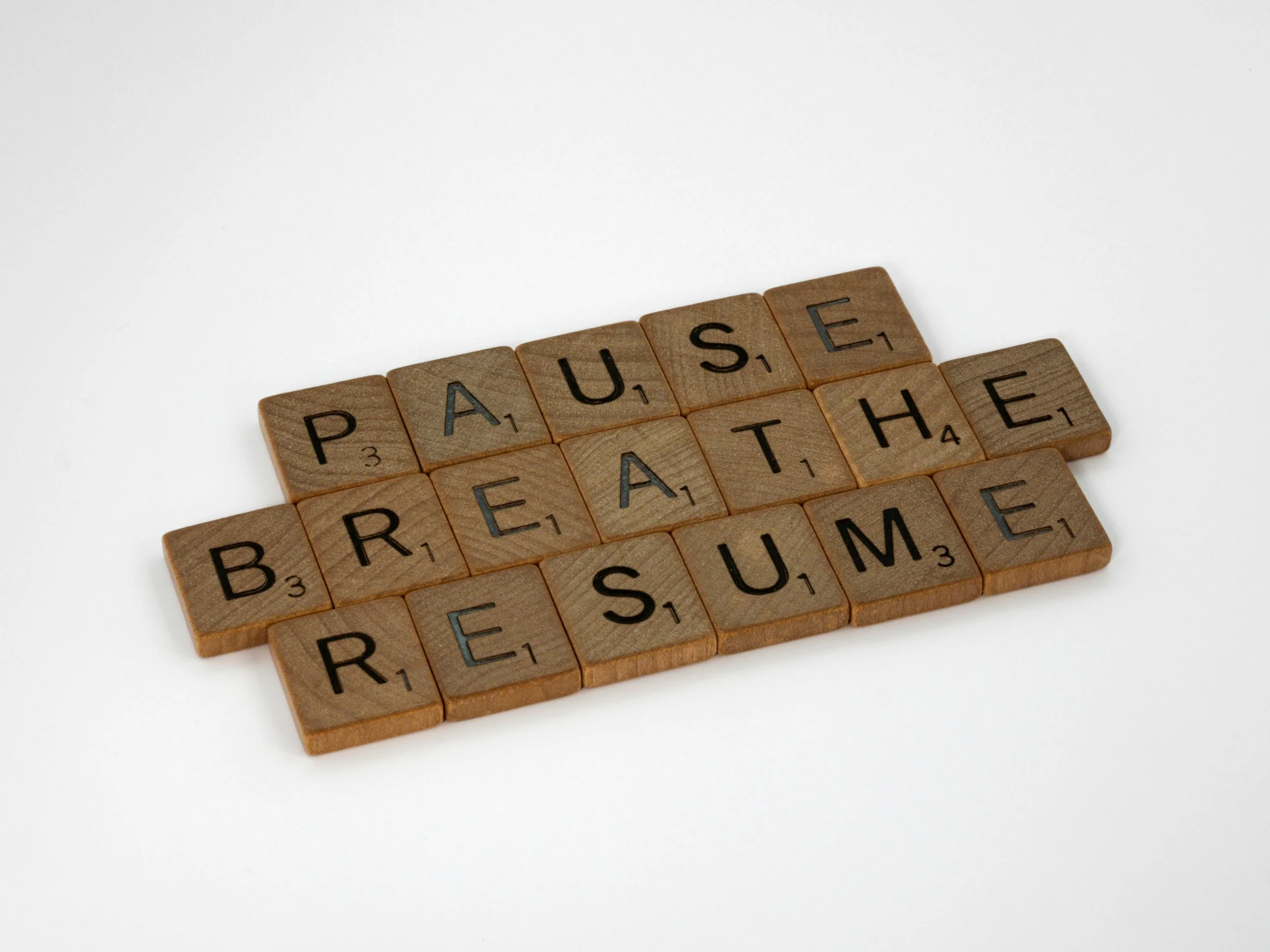
Pause here if you can.
Take one breath.
And ask yourself:
What is my body asking for right now?
No pressure to answer perfectly.
Just notice what comes up.
Small, Sustainable Support
Physical wellness is not built through big, perfect plans.
It is built through small, repeatable moments of care.
A glass of water.
A few breaths.
A stretch.
A pause.
Small, consistent habits practiced over time are more effective than extreme, short-term changes.
On low-energy days, even less is enough.
Sustainability is created through consistency with compassion.
Returning to the body is simple.
But it is not always easy.
For many of us, disconnection was learned.
It helped us cope.
It helped us keep going.
So the act of coming back,
of noticing, listening, and responding with care,
is meaningful work.
Physical wellness is not something you achieve.
It is something you practice.
Again and again.
In small ways.
In honest moments.
This April, we return to the body.
Gently.
With awareness.
At our own pace.
Reflect. Connect. Grow Forward.