

Patterns of Presence: Henna as a Mindful Ritual
Henna is a tradition, a living art form, a ritual of patience, and a reminder that beauty can bloom in the present moment. For me, henna has become a gentle cue to pause, breathe, and return to mindfulness—a pattern etched not only on the skin but in the spirit.
Ancient Roots of Henna
Henna originates from the Lawsonia Inermis plant, cultivated for thousands of years across North Africa, the Middle East, and South Asia. Ancient Egyptians used it to dye hair, nails, and even to prepare pharaohs for the afterlife. In hot climates, henna paste was applied to cool the body and soothe burns, making it both medicinal and ceremonial. Over centuries, henna traveled across cultures, becoming a universal symbol of celebration, healing, and artistry.
How is it made?
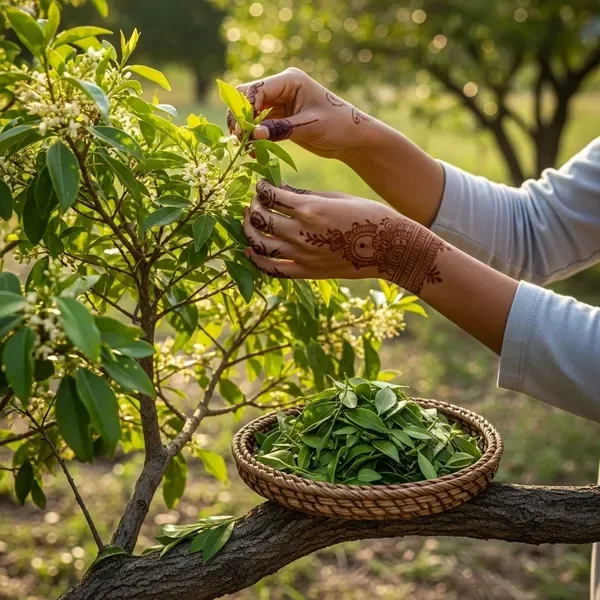
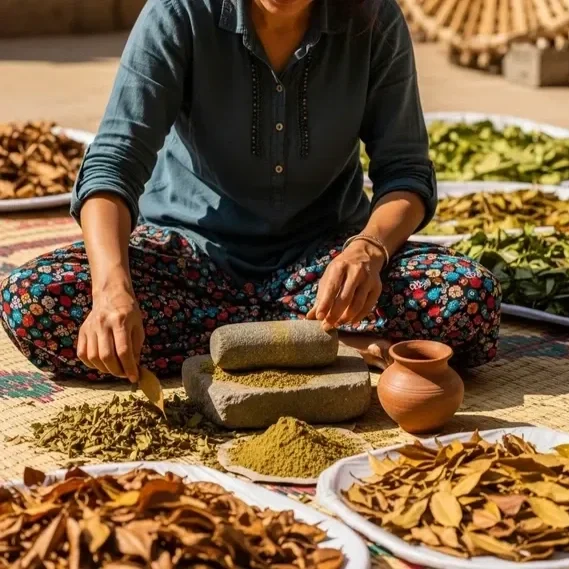
Henna is made by drying and powdering the leaves of the Lawsonia inermis shrub, then mixing the powder with liquids like water, lemon juice, or tea to create a paste that naturally dyes skin, hair, or fabric a beautiful red-brown color.
Tradition and Symbolism
Henna is most famously associated with weddings and festivals. In South Asia, the “Mehndi Night” is a joyful pre-wedding ritual where brides receive intricate designs symbolizing love, prosperity, and blessings. Each motif carries meaning:
- Flowers → joy and new beginnings
- Vines → vitality and devotion
- Peacocks → beauty and grace
Regional styles vary: Indian designs are lace-like and intricate, Moroccan patterns bold and geometric, Middle Eastern motifs flowing and floral. Across traditions, henna is always more than ornament—it is a language of symbols, blessings, and presence.
Henna in Modern Life
Today, henna has found new expressions. It appears at festivals, in fashion shoots, and even as playful freckles or minimalist tattoos. Yet beyond aesthetics, henna continues to serve as a mindful practice. Watching the paste applied, waiting for it to dry, and witnessing the stain emerge is a process of patience and presence. Its impermanence—fading after a week or two—reminds us of cycles, change, and renewal.
Henna as Mindful Self-Care
For me, henna is a ritual of growth. I plan to wear a design on my hand as a daily reminder to meditate, a living symbol of resilience and renewal. The act of receiving henna is meditative in itself:
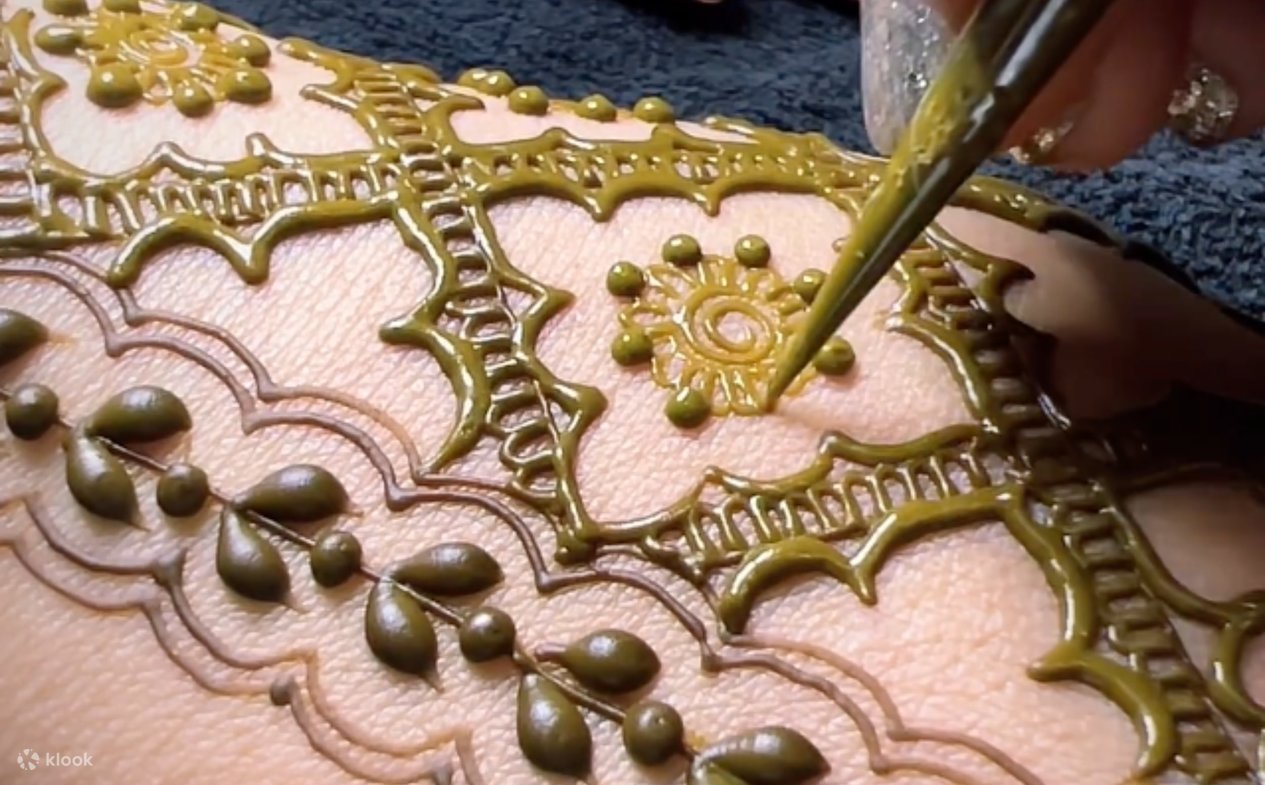
- Embodied presence: Sitting still, observing the artist’s hand move with intention.
- Impermanence: Watching the design fade, embracing change as part of growth.
- Connection: Sharing space with the artist, whose reflections often reveal why henna feels grounding and soulful.
Henna becomes not just art, but a mindful hobby—an invitation to slow down, breathe, and honor the present moment.
My Henna Experience
In the past, I’ve had the honor of receiving henna and felt the peace of watching patterns come to life. Each line drawn was a breath, each curve a reminder to be here now. This time around, I carrird henna as a meditation cue, a gentle reminder etched into my daily rhythm.
I had the most relaxing time with a wonderful Henna Artist. Watching the beautifully crafted design unfolding with everything mindful stroke and swirl.
The artist revealed she has been doing this most of her life and professionally for 17 years. Her humble perspective of her own lovely talent and skill made my experience with so gentle and memorable.
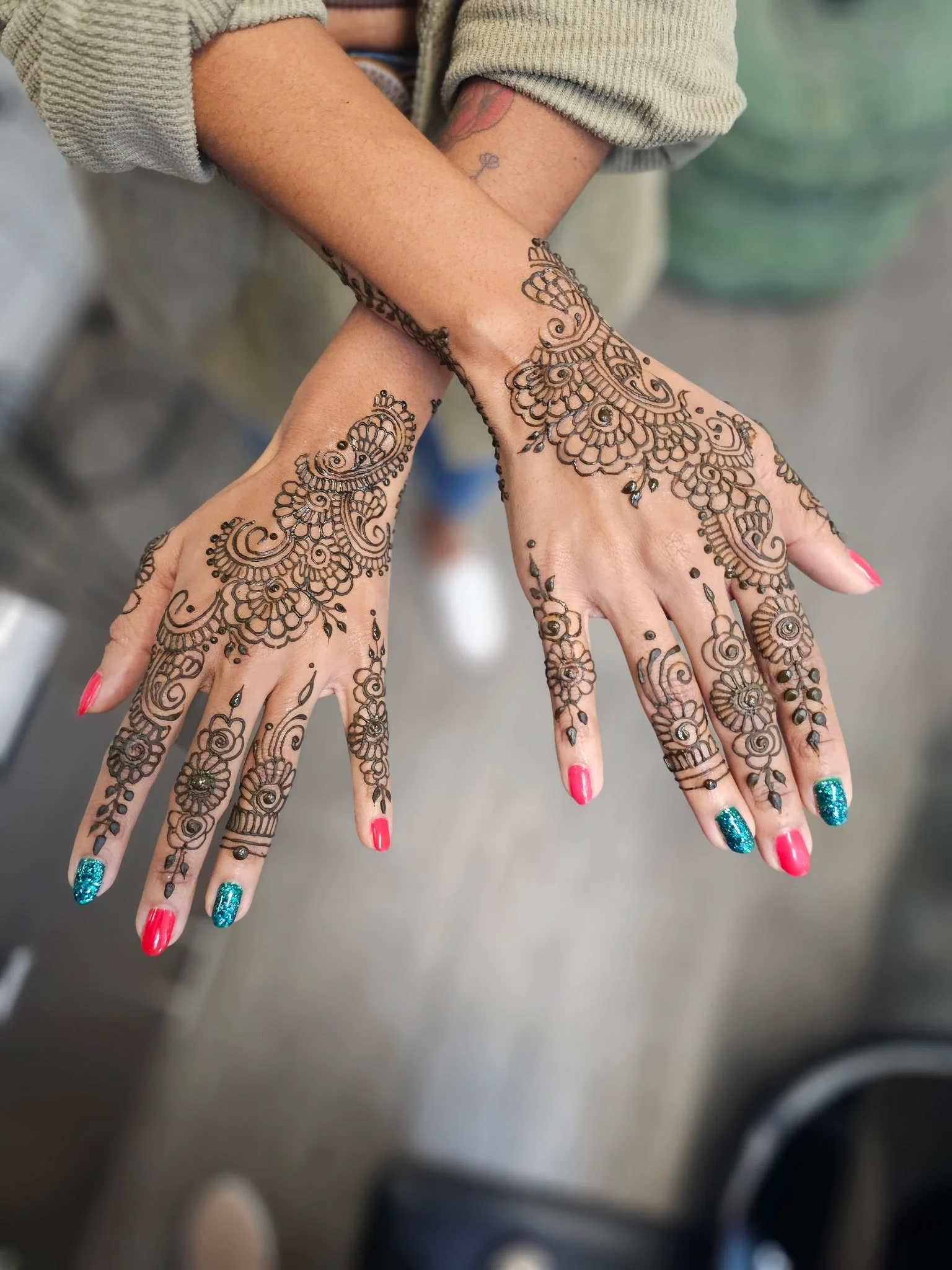
My personal experience with Henna this time around was very different than my last time yet equally beautiful. The process of Of Henna is a couple of hour process of drying, mindful care, transitioning of color.
During the drying process you need to move with intention and care as to not disturb the henna paste until dry which kept me rooted in the present moment.
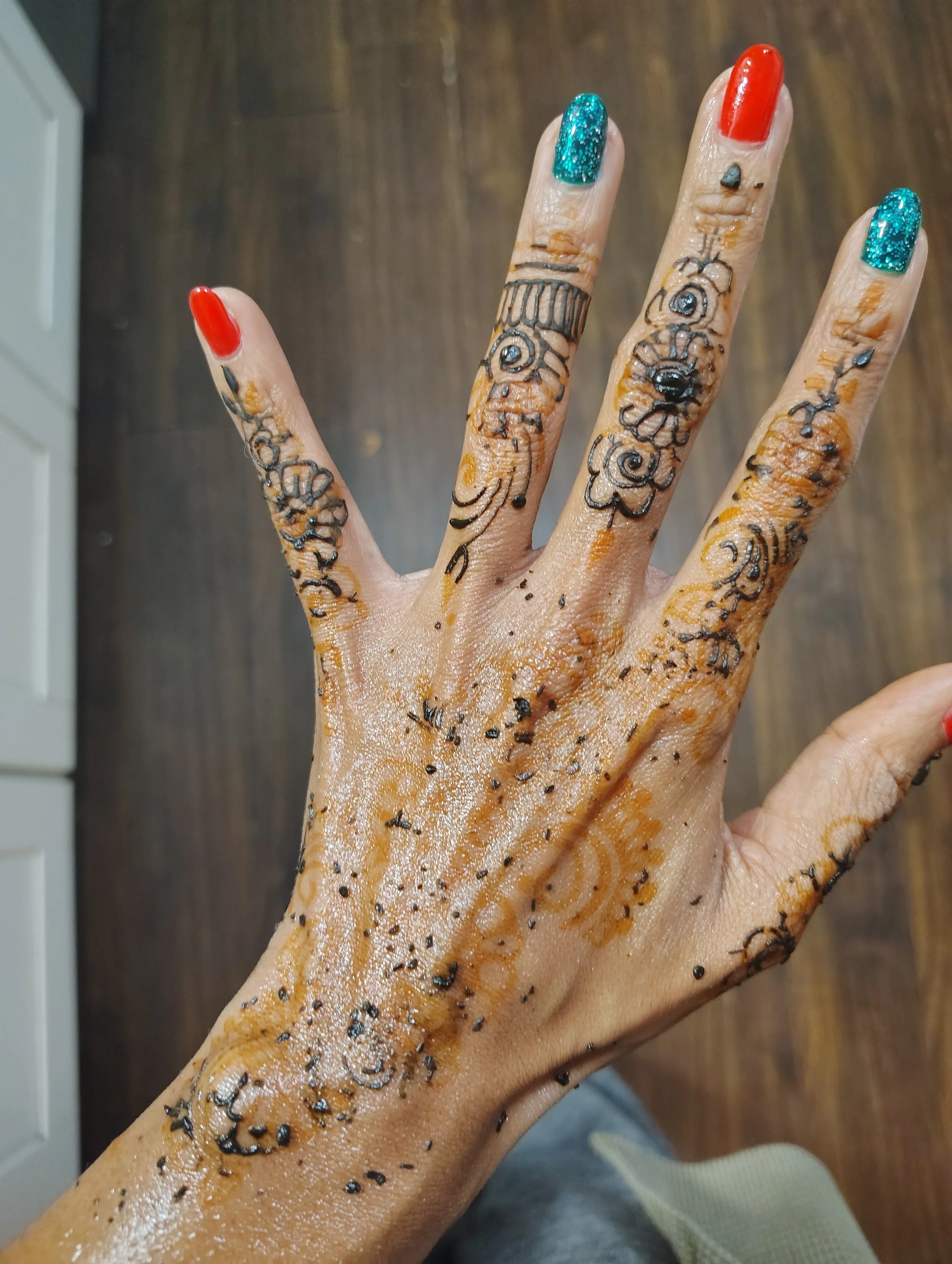
As it begins to flake off, it begins to reveal this gentle rustic orange hue.
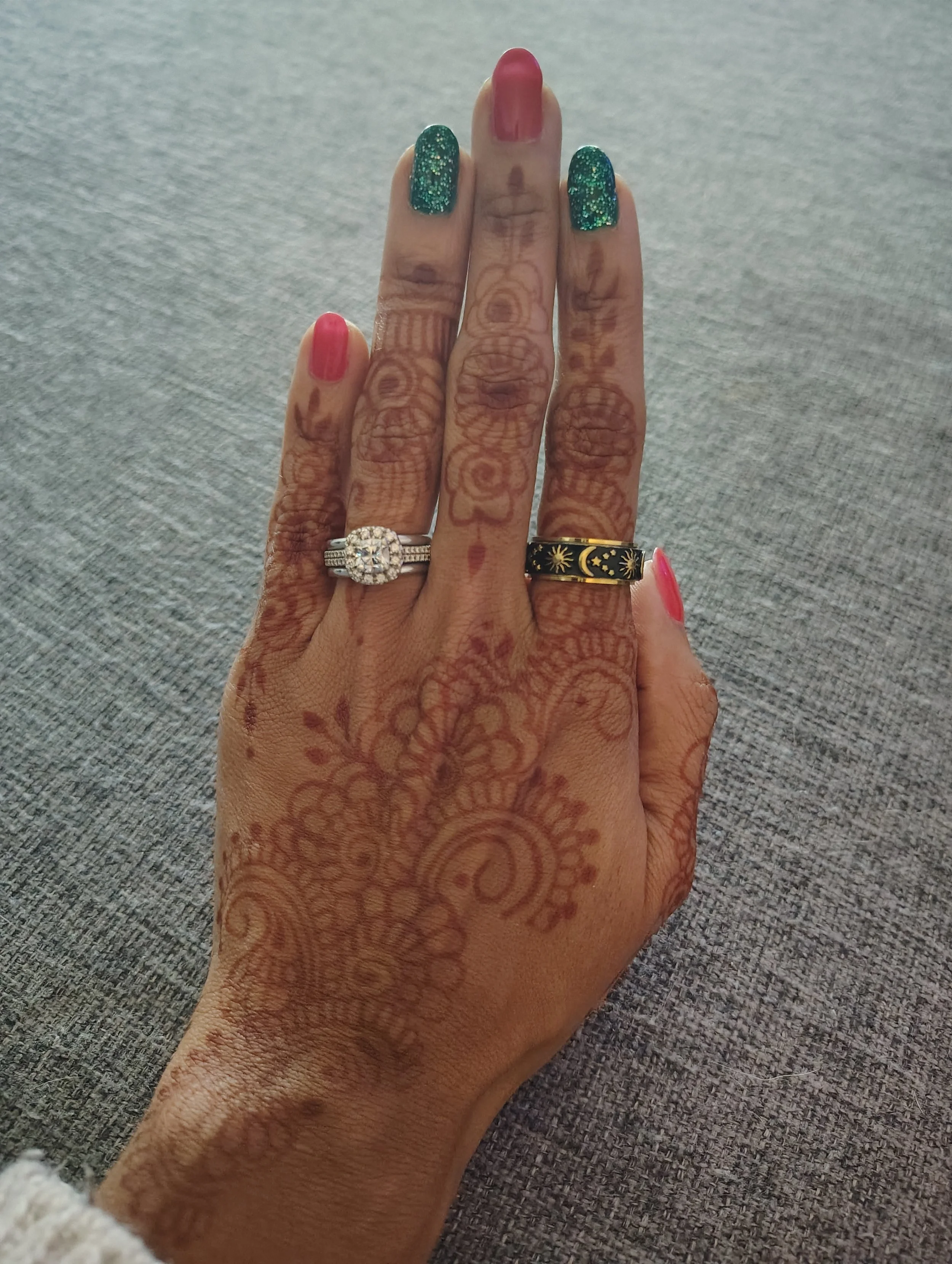
Within a day or two a gorgeously deep reddish-brown temporary body art emerges
The art last for a couple of weeks which is a wonderful reminder to slow down and breathe. Its also a great way to bond with others.
Henna teaches us that beauty is not permanents, but presence is. Its fading patterns remind us that growth is cyclical, that mindfulness is a practice renewed each day. Whether worn for celebration or self-care, henna invites us to pause, to honor tradition, and to find art in the act of being.